Best Describes the Field of Neurotheology
It describes the scientific study of the neural correlates of religion or spiritual beliefs and practices as opposed to the psychology of. Early thinkers in the field of neurotheology were convinced that religion should be studied as a scientific matter with emphasis on the nervous system.

Pdf Principles Of Neurotheology
Thus the Quran would seem to support the development of an integrated approach using science and religion in an attempt to understand and utilize the human intellect and imagination.

. Neuroscience of the soul Stephen P. In other words this proposal is not limited to understanding this discipline as a mere pursuit of neural correlates or as a dialogue between neuroscience and theology. 45 as this linkage is further articulated it.
Another the practical aspects of using brain measurements to infer what is going on during various experiences. Her relationship with Deborah was different though. One section describes the current understanding of the physical brain.
Neuroscience 1 Running head. This book raises profound implications for neuroscience medicine theology and philosophy. Neurotheology encompasses areas of research that investigate the neurological factors involved in religious conviction and sensations religiosity.
Read the following situation and decide which term A-D best describes the situation. The thalamus appears to be critical to our understanding of reality and may also be essential for our feeling of consciousness. The Case for a Principia Neurotheologica Principles of Neurotheology Neurotheology is a unique field of scholarship and investigation that seeks to understand the relationship specifically between the brain and theology and more broadly between the mind and religion.
A tour de force in this emerging field Neurotheology provides a superb review of the science to date and shows the many directions the field may go in the future. Newberg is and international expert on neuro-imaging and is a pioneer in the field of neurotheology and the neuropsysiological correlates of religious experiences and spirituality. NEUROSCIENCE OF THE SOUL Neurotheology.
This presentation also describes the results of groundbreaking brain imaging studies that show how specific experiences such as prayer or speaking in tongues can result in profound and compelling beliefs. The complexities of mindbrain interactions require a more dynamic approach to their further investigation13 in the principles of neurotheology andrew b. Instead it is the search for an integrative understanding.
By trying to combine phenomenological and biological perspectives and by using scientific and theological forms of inquiry it tries to tackle the complex problem of religion. The primary route that the progenitors of neurotheology took to arrive at this view was--. The field of neurotheology strives to understand what goes on in the brains of people undergoing spiritual experiences.
Philosophy psychology religion-spirituality science. Neuroscience 2 Abstract Neurotheology encompasses areas of research that investigate the neurological factors involved in religious conviction religiosity. While doing research she had carried out dozens of interviews and had hundreds of conversations with people in the community.
Since the 1970s case studies of. The study of the interface between neural and spiritualreligious phenomena For background I have always had trouble defining my spirituality or lack thereof. Initial definition of neurotheology is deceptively simple the field of study linking the neurosciences with religion and theology p.
He has had several best-selling books and he will be presenting selected topics from his most recent one Principles of Neurotheology Ashgate. Cooke Armstrong Atlantic State University 2. Sara had spent the last two years in the field doing research for her dissertation.
Psychology and neuroscience have long neglected religion. Which of the following best describes the distinction between a hypothesis and a theory in science. If you are interested in deep questions Neurotheology is a thoughtful ride but not a fast one.
This article examines the basic and dialogical models of neurotheology and suggests a third model based on the work of Aldous Huxley. Principles of Neurotheology describes a methodology for neurotheological research. Newberg describes the brain both physiologically and as a functioning organism.
Neurotheology may offer such a direction. In this far-reaching and novel work experts from across the nation and around the world present evolutionary neuroscientific and psychological approaches to explaining and exploring religion including the newest findings and evidence that have spurred the fledgling field of neurotheology. The thalamus is a central structure that helps different parts of the brain communicate with each other as well as helps to bring sensory visual and auditory information to various parts of the brain.
Newberg describes neurotheology to be a unique field of scholarship that seeks to understand the relationship between the brain and theology and more broadly between the mind and. Researchers newfound interest in neurotheology reflects more than the availability of cool new toys to peer inside the working brain. Clearly one of the initial problems with neurotheology as a field is the use of neurotheology as a term.
The best way to evaluate this field is to determine the methodological issues that currently affect. Prepare to digest a lot of detail and prior studies.
Neurotheology This Is Your Brain On Religion Npr
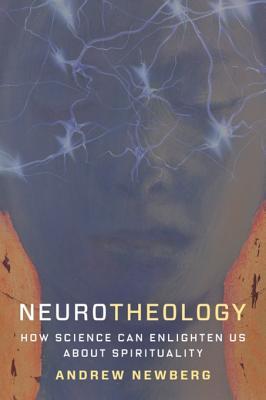
Neurotheology How Science Can Enlighten Us About Spirituality By Andrew B Newberg

Neurotheology This Is Your Brain On Religion Npr


Comments
Post a Comment